CRG - Centre for Genomic Regulation
The Centre for Genomic Regulation (CRG) is an international biomedical research institute of excellence, founded in December 2000, with a mission to generate and advance knowledge for the benefit of society, public health and economic prosperity. The CRG operates on the conviction that the medicine of the future depends on the groundbreaking science of today. To achieve this, it fosters a highly interdisciplinary scientific environment focused on understanding the complexity of life, from the genome to the cell to the whole organism, and its interaction with the environment; thereby providing an integrated perspective on genetic diseases.
Research at the CRG is organised into four main areas: genome biology; quantitative cell biology; computational biology and health genomics; and systems and synthetic biology. The excellence and impact of these areas are underpinned by advanced technological platforms, which work closely with the research programmes and provide state-of-the-art tools, methodologies and expertise. These platforms are essential for enabling cutting-edge discoveries, supporting innovation across disciplines, and ensuring that scientists have access to the resources needed to address complex biological questions.
Based in Spain, the CRG is distinguished by an innovative organisational model that promotes excellence, independence and renewal. Group leaders are recruited internationally and supported in establishing and developing their research programmes within a stimulating environment that combines scientific freedom with access to these cutting-edge technologies. Their progress is regularly assessed by an external panel of internationally renowned experts, ensuring high standards of performance while fostering mobility and continuous renewal of the institute’s scientific community.
With more than 450 scientists and staff from 47 countries, the CRG brings together a diverse, motivated and creative team. This international environment not only drives world-leading biomedical research, reflected in 150-200 high-impact publications annually, but also supports the training of the next generation of scientists through multidisciplinary approaches and a strong commitment to education. At the same time, the CRG actively engages with society, promoting open dialogue and responding to societal needs and expectations.
A central priority of the institute is to translate scientific discoveries into tangible benefits for health and societal well-being, contributing to economic value and innovation. By combining excellence in its four research areas with strong technological capabilities and a collaborative culture, the CRG aims to remain at the forefront of biomedical science while ensuring that new knowledge is effectively communicated and applied for the broader good.
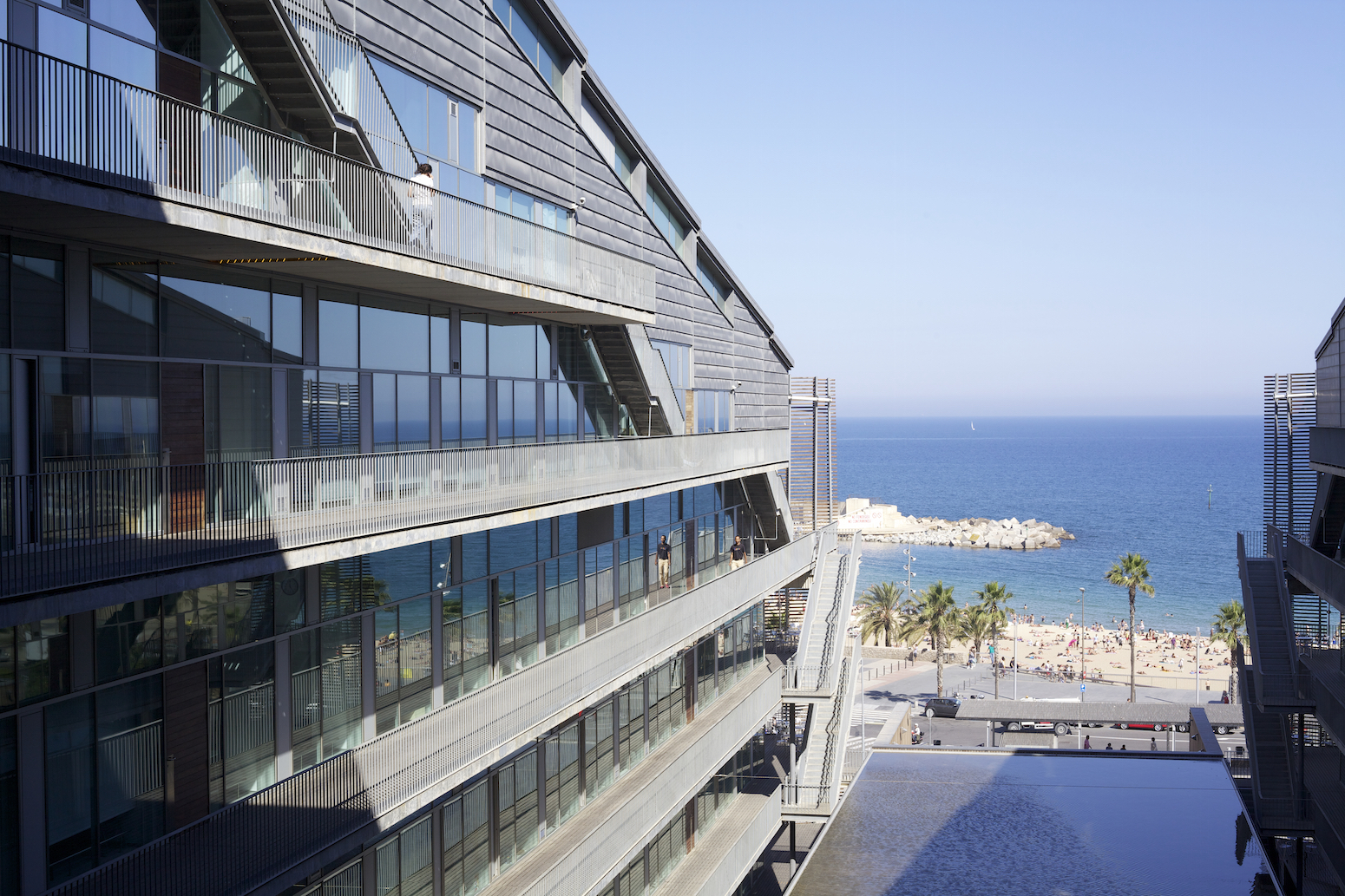

Carrer del doctor Aiguader 88 - 08003 Barcelona

"The global challenges we face today, like fighting human disease, can only be tackled if countries work together, with scientists and researchers at the heart of it all. International collaboration is the foundation of cutting-edge science, which is why EU-LIFE plays a vital role in strengthening links across European borders for a common purpose."
Professor Luis Serrano, Former Director of CRG
Facts and Figures 2025
201
Scientific Articles
89% were Open Access publications
The average impact factor was 14
17
Ongoing ERC Grants
71%
Foreign researchers